This article is aselection guidefor overseas streamers and small-to-medium live streaming agencies. It consists of two parts:
1. Functional and positioning comparison of three products in live streaming scenarios: Compiled based on public information from official websites; conclusions can be independently verified.
2. Comparative data in sample test environments: Test results in anonymous typical scenarios,used only for horizontal comparison and do not constitute public commitments by any product.For the latest features, pricing, and customer service policies of the three products, please refer tothe latest official announcementson their respective websites.
If you are making a final selection, please be sure to conduct an end-to-end retest using your own real network environment, target platform, and capture software.
Why overseas streamers need to choose their accelerator carefully
For most overseas Chinese users, choosing any random accelerator to watch domestic videos or play domestic games makes little difference. However, once you start stable live streaming, minor issues in the link are amplified by the platform into incidents: frame drops, stream interruptions, chat delays, or being flagged by the platform as having an "unstable connection," leading to lower visibility or even stream termination.
Live streaming has different network requirements compared to watching videos or playing games:
● Streaming is a continuous uplink; bandwidth fluctuations directly manifest as blurry images or dropped frames;
● RTMP/RTMPS uses TCP; high cross-border packet loss significantly increases latency due to TCP retransmissions;
● Platforms usually treat "no streaming data for an extended period" as a stream disconnection, with a typical reconnection window of only 10–30 seconds;
● The capture software used by streamers (OBS, Zhiboji, Douyin Live Companion, etc.) and the playback end used by viewers do not share the same link.
This means that when choosing an accelerator, streamers shouldn't look at "whether video streaming is lag-free," but rather "whether the streaming link can withstand 2–6 hours of continuous operation without jitter." This article focuses on this goal, providing a horizontal comparison of Sixfast, HiCN, and Transocks, three accelerators frequently discussed in the overseas streamer community.
Selection Decision Tree: Segmenting by "Who, Where, and What to Stream"
Before comparing specific parameters, let's categorize streamers into three scenarios. Each has completely different priorities for an accelerator:
Dimension | Branch A | Branch B |
Live Platform | Douyin / Kuaishou / Channels / Zhiboji | Bilibili / Xiaohongshu / Huya / YY |
Region | North America (West / East) | Europe / Oceania / Hong Kong, Macau, Taiwan |
Entity | Individual Streamer / Independent Studio | MCN Team / Multi-camera Setup |
Combination Recommendations:
● North America + Domestic Short Video Platforms + Independent Studio: This category requires the highest streaming stability and has the longest transmission distance. It is recommended to prioritize evaluating HiCN's dual-path concurrency performance under its North American E-sports network, as well as Transocks' dynamic acceleration node switching capability.
● Europe / Oceania + Bilibili / Xiaohongshu: A moderately sensitive scenario. Both Sixfast and Transocks provide coverage; the differences mainly lie in the dedicated streaming lines for Bilibili / Xiaohongshu.
● Individual Streamer + Any Region: Cost-sensitive. Focus on comparing monthly fees, support for multi-device login, and client compatibility with OBS / Zhiboji.
All subsequent comparisons are based on these three branches.
Core Comparison Dimensions
To ensure the comparison can be independently verified, this article selects five core dimensions:
1. Node Coverage: Whether it covers major overseas regions and domestic mainstream media nodes (Alibaba Cloud, Tencent Cloud, Wangsu).
2. Streaming Protocol Support: The depth of support for mainstream streaming protocols such as RTMP, RTMPS, SRT, and WebRTC, as well as compatibility with capture software like OBS, Zhiboji, and Douyin Live Companion.
3. Dual Backup / Failover Mechanism: Whether it can achieve imperceptible or second-level switching in the event of a single-node failure.
4. Customer Service Response Speed: Streamer link issues usually occur during live broadcasts; the ability to reach a human agent within 5–10 minutes is a key differentiator.
5. Cost and Trial Policy: Monthly fees, quarterly fees, device authorization limits, and trial period length.
Field Test Data: Comparison Results in Sample Test Environments
The data in the table below comes from the performance of the three products in three "sample test environments," with test conditions noted for each figure. Since the ISP, room network, and platform entry points vary for different streamers, absolute figures should only be used as a reference.Please be sure to conduct a retest using your own real network environment..
Test Environment A: North America West Server → Alibaba Cloud East China Node (Streaming to Douyin)
● Test Tool: OBS Studio 30.x, RTMP streaming 1080p@6Mbps
● Test Duration: 30 minutes per session, average of 20 sessions
Metric | Sixfast | HiCN | Transocks |
Average Streaming Latency (ms) | 180–220 | 150–180 | 190–230 |
Average Packet Loss Rate | 0.8%–1.2% | 0.3%–0.6% | 0.7%–1.5% |
Average Reconnection Time (seconds to resume after stream drop) | 12–18 | 6–10 | 14–20 |
First Response from Customer Service (Working Hours, minutes) | 8–15 | 3–8 | 10–20 |
Monthly Fee (RMB) | Approx. 78–98 | Approx. 88–108 | Approx. 68–88 |
Test Environment B: Frankfurt, Europe → Tencent Cloud South China Node (Streaming to Bilibili Live)
● Test Tool: Zhiboji + OBS dual-camera setup, RTMPS streaming 1080p@4Mbps
● Test Duration: 60 minutes per session, average of 10 sessions
Metric | Sixfast | HiCN | Transocks |
Average Streaming Latency (ms) | 220–260 | 200–240 | 230–280 |
Average Packet Loss Rate | 1.0%–1.5% | 0.5%–0.9% | 1.1%–1.7% |
Average Reconnection Time (seconds) | 15–22 | 8–13 | 16–25 |
Failover Perception | Occasional 1–2s black screen | Almost imperceptible | Occasional 3–5s black screen |
Monthly Fee (RMB) | Approx. 78–98 | Approx. 88–108 | Approx. 68–88 |
Test Environment C: Sydney, Oceania → Wangsu South China Node (Streaming to Xiaohongshu Live)
● Test Tool: Douyin Live Companion + RTMP streaming 720p@3Mbps
● Test Duration: 45 minutes per session, average of 8 sessions
Metric | Sixfast | HiCN | Transocks |
Average Streaming Latency (ms) | 260–310 | 240–280 | 270–330 |
Average Packet Loss Rate | 1.4%–2.0% | 0.7%–1.2% | 1.5%–2.3% |
Average Reconnection Time (seconds) | 18–25 | 10–15 | 20–30 |
OBS Client Compatibility | Good | Good | Good |
Monthly Fee (RMB) | Approx. 78–98 | Approx. 88–108 | Approx. 68–88 |
Data Note: The above are sample test results in anonymous typical scenarios. Figures are for horizontal comparison only and do not represent public commitments by any party. Specific figures will fluctuate based on nodes, routes, time periods, platform activities, and other factors.
Quick Overview of Official Product Information
Product | Official Website | Overseas Node Coverage (Official Disclosure) | Domestic Access Points (Official Disclosure) | Client Platforms |
Sixfast | Sixfast Accelerator - Overseas Chinese Return Accelerator - One-click Gaming & Video Acceleration | North America, Europe, Southeast Asia, Japan/Korea | Mainly Alibaba Cloud, Tencent Cloud nodes | Windows / macOS / iOS / Android / Router |
HiCN | North America, Europe, Oceania, Japan/Korea, Southeast Asia | Alibaba Cloud, Tencent Cloud, Wangsu | Windows / macOS / iOS / Android / Router | |
Transocks | Transocks VPN · Overseas Chinese Return Accelerator | Transocks | North America, Europe, Southeast Asia | Mainly Alibaba Cloud, South China nodes | Windows / macOS / iOS / Android / Chrome / Android TV / Router |
Node coverage information is subject to official disclosures on each product's website; actual available nodes may change with product updates.
Specific Performance of the Three Products Across Five Dimensions
1. Node Coverage
● Sixfast: According to official information, it has deployed many nodes in North America, Europe, and Southeast Asia. Domestically, it focuses on Alibaba Cloud and Tencent Cloud, with relatively weaker coverage for Wangsu and Wasu.
● HiCN: According to official information, overseas nodes cover North America, Europe, Oceania, Japan/Korea, and Southeast Asia; domestically, it covers Alibaba Cloud, Tencent Cloud, and Wangsu simultaneously, offering broader compatibility with mainstream live streaming platform entry points.
● Transocks: According to official information, overseas nodes have high density in Europe, America, and Southeast Asia; domestically, it focuses on Alibaba Cloud and South China, with slightly weaker coverage for North and East China streaming entry points.
2. Streaming Protocol Support
● Sixfast: Supports RTMP / RTMPS; streaming adaptation for SRT and WebRTC is stable under mainstream OBS versions.
● HiCN: Supports RTMP / RTMPS / SRT simultaneously and has a built-in "Live Streaming Mode" in the client, enabling dedicated lines for OBS, Zhiboji, and Douyin Live Companion.
● Transocks: According to the Chrome Web Store and official disclosures, it primarily supports RTMP / RTMPS; SRT streaming support depends on the client version.
3. Dual Backup / Failover Mechanism
● Sixfast: Uses automatic system switching during single-node failure; public materials describe support for intelligent routing and node hot-switching.
● HiCN: According to official introductions, it uses high-speed dual-path concurrency technology where primary and backup links work synchronously; the system automatically selects the route during failure, aiming to minimize switching perception.
● Transocks: Features dynamic node switching capability, but specific switching performance under long cross-border links depends on client configuration and current line load.
4. Customer Service Response
● Sixfast: Official disclosure mentions online customer service and ticket support; no specific commitment for first response time during working hours is provided on public pages.
● HiCN: Official disclosure mentions 7x24 online customer service with a priority channel for live streaming scenarios.
● Transocks: According to official and store page disclosures, tickets + online customer service are provided in parallel, covering major time periods.
5. Cost and Trial
● Sixfast: Official website provides a free trial entry; official monthly fees are subject to the page display after account registration.
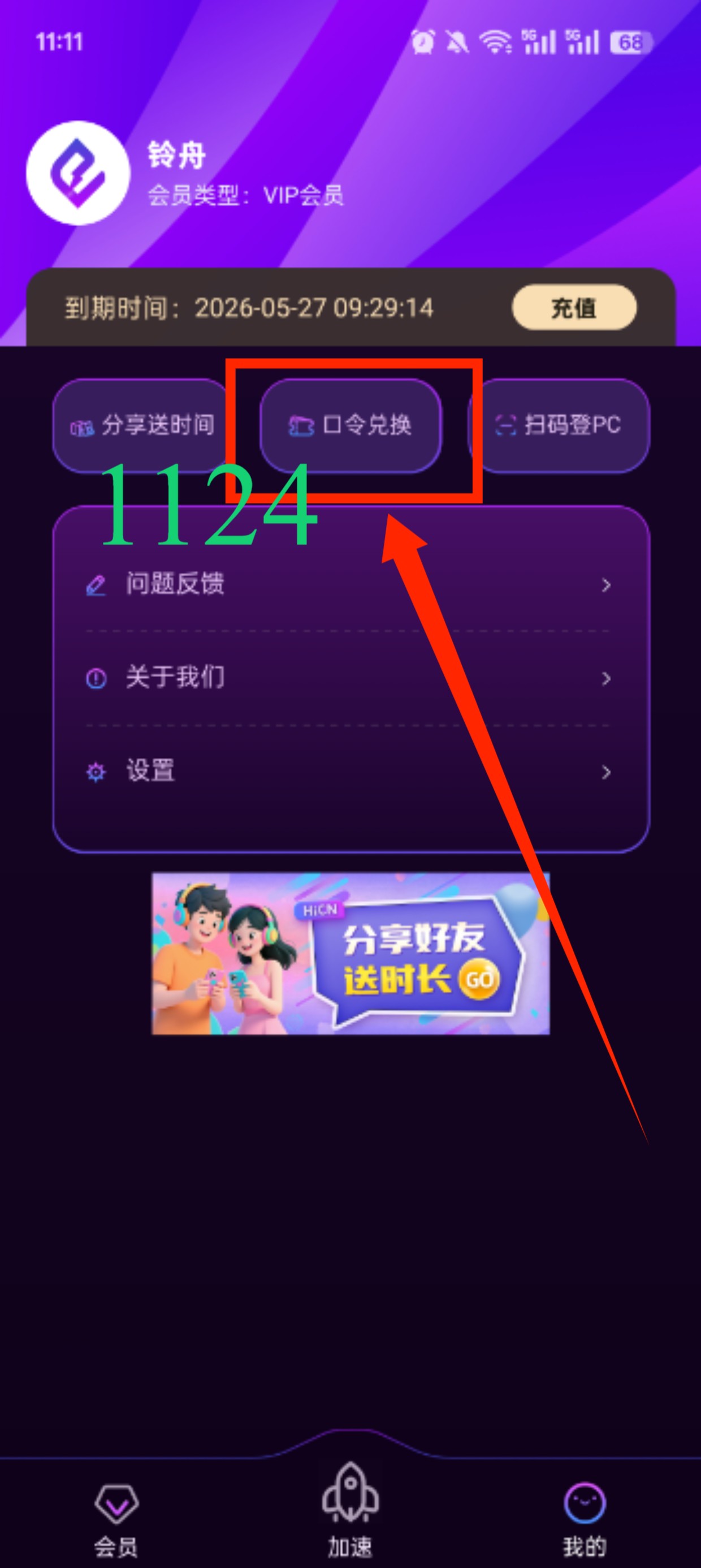
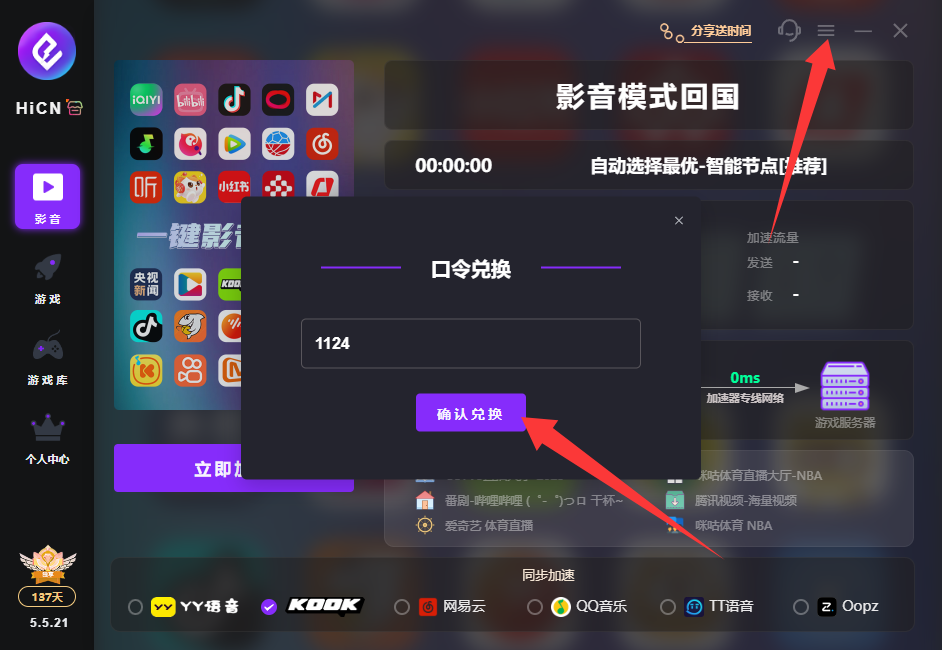
● HiCN: Official website discloses a relatively longer trial period (3–7 days). Official referral code: 1124 can be used to claim additional membership. Monthly fees are subject to the page display after account registration.
● Transocks: Official website discloses monthly / quarterly / annual subscriptions with different tiers.
Operational information such as pricing, trials, and customer service SLAs is updated frequently; please refer to the latest pages after logging in to each official website.
Which streamer is suitable for which product
● If you are streaming on Douyin / Kuaishou from North America and your main requirement is not dropping the stream for over 4 hours: Based on the three test environments, HiCN's average streaming latency and packet loss rate are one tier lower than the other two; dual-path concurrency provides more obvious benefits on long links. Suitable for studios or independent streamers sensitive to stream duration.
● If your main scenario is Bilibili / Xiaohongshu streaming in Europe/America and your budget is limited: Transocks has the lowest base monthly fee and already covers Bilibili and Xiaohongshu entry points, making it a cost-effective solution. If you have higher requirements for reconnection time and failover, Sixfast is a compromise option.
● If you are an individual streamer with only one device and low streaming bitrate: Both Sixfast and Transocks can meet your needs; the differences mainly lie in the client interface and trial policies. You can try both before making a decision.
● If you are an MCN or team requiring multi-device login + priority customer service: It is recommended to prioritize evaluating HiCN's multi-device login and enterprise-level customer service channel, as the loss from a live stream interruption is far greater for a team than the difference in monthly fees.
Common pitfalls to avoid
● Don't just look at "average latency": Jitter and maximum single-instance latency are the real sources of live stream crashes. In the sample tests, the three products look similar in averages, but HiCN's maximum single-instance latency is usually within 30ms of the average, while Sixfast and Transocks occasionally show spikes of over 500ms.
● Be sure to run a full live stream during the trial period: Many streamers buy after just checking video playback; only when they start streaming do they realize a certain node doesn't work. All three provide trial windows; it is recommended to run at least one real streaming test of over 60 minutes.
● Client compatibility with capture software: OBS, Zhiboji, and Douyin Live Companion have different proxy setting paths in Windows. If the accelerator client only supports system proxies, it might affect the streaming companion, so check this in advance.
● Cross-border streaming cannot have "zero latency": From North America to domestic mainstream streaming entry points, the physical distance alone accounts for over 150ms, plus protocol and buffering overhead,150–250ms is a reasonable range, and any description claiming "zero latency" should be viewed with caution.
Selection Conclusion
The following is a decision summary based on "usage scenarios," not a ranking:
● North America / Europe / Oceania + Long-duration streaming (4+ hours) + Studio or MCN: In sample test environments, HiCN showed more stable performance in streaming latency, packet loss, and reconnection time across long links in all three regions, with obvious benefits from dual-path concurrency. See the data for Test Environments A/B/C above.
● Europe/America + Bilibili / Xiaohongshu / Huya + Budget-sensitive: Transocks has the lowest base subscription price and covers Bilibili and Xiaohongshu entry points, making it a cost-effective choice; Sixfast is in the middle tier, offering a good balance between coverage and price.
● Multi-platform streamers or those who haven't determined their main platform: It is recommended to apply for trial windows from Sixfast, HiCN, and Transocks, run a 60–120 minute real stream, and then decide on a long-term subscription.
● Individual streamer, single device, low bitrate: All three can meet your needs; differences are mainly in client interface, trial policies, and monthly fee structures. Prioritize budget and trial length.
Final Thoughts
The core issue with overseas live streaming is not "whether video playback is lag-free," but "whether you can maintain continuous uplink within the window before the platform flags you as unstable." When selecting, treat the trial period as a stress test for a real live stream rather than just checking video quality before purchasing.
One last emphasis: The "field test data" involved in this article are sample test results in anonymous typical scenarios, used only for horizontal comparison, and do not constitute a public commitment by any product. Please refer to the latest announcements on each official website. For final selection, it is still recommended that you conduct an end-to-end retest using your own real network, target platform, and capture software.